
- Home
- About the Expert
- Areas of Expertise
- Slip & Fall Hazard Analysis
- Trip & Fall Hazard Analysis
- Walking-Surface & Floor Traction
- Wet-Floor & Moisture Hazards
- Maintenance Standard of Care
- Warnings, Matting & Lighting
- ADA & Building-Code Walking Surfaces
- Occupied-Facility Safety
- Construction Defects & Walking Surfaces
- Forensic Inspection & Testimony
- ASTM F1637 Guide
- Testimony Experience
- Download CV
- Contact
- Home
- About the Expert
- Areas of Expertise
- Slip & Fall Hazard Analysis
- Trip & Fall Hazard Analysis
- Walking-Surface & Floor Traction
- Wet-Floor & Moisture Hazards
- Maintenance Standard of Care
- Warnings, Matting & Lighting
- ADA & Building-Code Walking Surfaces
- Occupied-Facility Safety
- Construction Defects & Walking Surfaces
- Forensic Inspection & Testimony
- ASTM F1637 Guide
- Testimony Experience
- Download CV
- Contact

About this area of expertise
Repair scope and cost estimation defines the work required to correct an unsafe or defective walking surface in terms a contractor would bid, then costs it at current local labour and material rates with the assumptions stated.
Scope usually extends beyond the visible defect. Access, protection, substrate correction, transitions back into adjacent surfaces and the phasing needed to keep a building open are all real costs, and each is stated rather than buried in a rate.
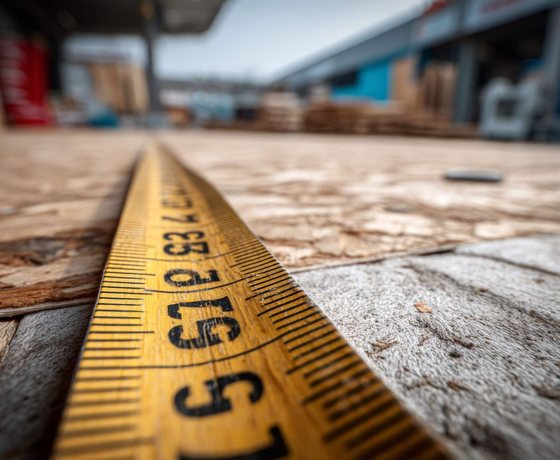
What this analysis covers
Scope usually extends beyond the visible defect. Access, protection, substrate correction, transitions back into adjacent surfaces and the phasing needed to keep a building open are all real costs, and each is stated rather than buried in a rate.
- Extent of correction beyond the defective area
- Access, protection and containment while the building stays open
- Reduces Pain and Inflammation in the Affected Area
- Substrate correction and moisture mitigation
- Improves Daily Functional Use of the Arm and Upper Body
Frequently Asked Questions
Scope is defined before any figure is attached to it: the extent of correction, access and protection, substrate preparation, replacement materials and the transitions back into the surrounding surfaces. Each assumption is stated on the face of the estimate so it can be examined line by line.
Defined scope first, then current local labour and material rates for the trades involved, with the assumptions stated on the face of the estimate. Because the scope is written the way a contractor would bid it, each line can be examined independently rather than accepted as a whole.
Not usually. A sound correction often has to extend to a control joint, a doorway or a natural break in the material, because stopping mid-field produces a new transition and a new hazard. Where the extent exceeds the defective area, the reason is stated explicitly.
Yes. Where correcting a condition necessarily produces an improvement over what was there, such as a new finish across a larger area or an upgrade because the original product is discontinued, that element is identified separately so counsel can address it distinctly.
A preliminary scope can be developed from photographs, drawings, specifications and the existing record, and is useful for early case assessment. A figure intended to be defended is far stronger after an inspection, because substrate condition is rarely visible in photographs.
Because access, protection, phasing and out-of-hours working are real costs. The same area replaced overnight in sections with temporary protection between them carries a materially different figure from the same work in an empty unit, and those assumptions are stated rather than buried.
As a scope narrative with the assumptions visible, so each element can be examined and challenged on its own terms. No fee information for expert services appears anywhere on this site; cost of repair is a case deliverable prepared for the matter at hand.
Areas of Expertise
Request a consultation
Service Area
Chicago & Cook County